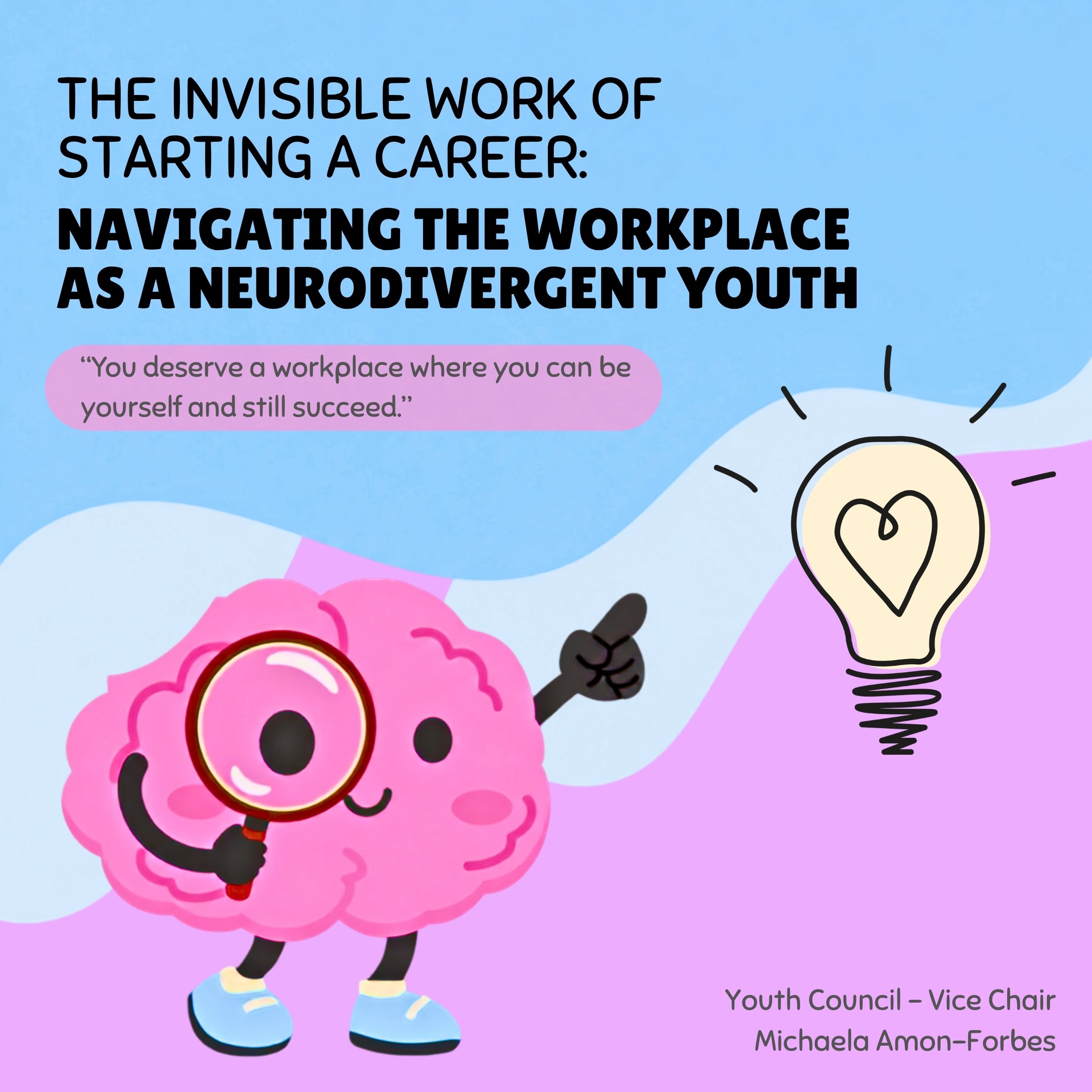
When we talk about starting a career, we usually talk about the visible parts: getting a job, learning your responsibilities, showing up, and doing your work well. But a lot of work happens behind the scenes that people don’t always see, especially when you’re trying to figure out how you work best.
For me, that became especially clear after I was diagnosed with ADHD in December.
Before my diagnosis, I often felt overwhelmed at work. My brain constantly felt like it was running, and concentrating could be incredibly difficult. I knew I was capable of doing my job, but I didn’t always feel able to show it. Sometimes, it felt like I was working twice as hard just to keep up.
There were times when I felt like my ADHD was holding me back, and I was embarrassed that something I couldn’t necessarily control seemed to make work harder for me. For a long time, I thought I just needed to try harder.
Realizing I Didn’t Have to Figure It Out Alone
After my diagnosis, I began figuring out which supports worked best for me, I finally experienced a sense of calm I hadn’t realized I was missing.
I also had something else that made a difference: a supportive team. Supportive management and coworkers created an environment where I could be honest about what I needed and learn to advocate for myself when I needed support or accommodation.
Over time, I started to realize that asking for help did not mean I was less capable.
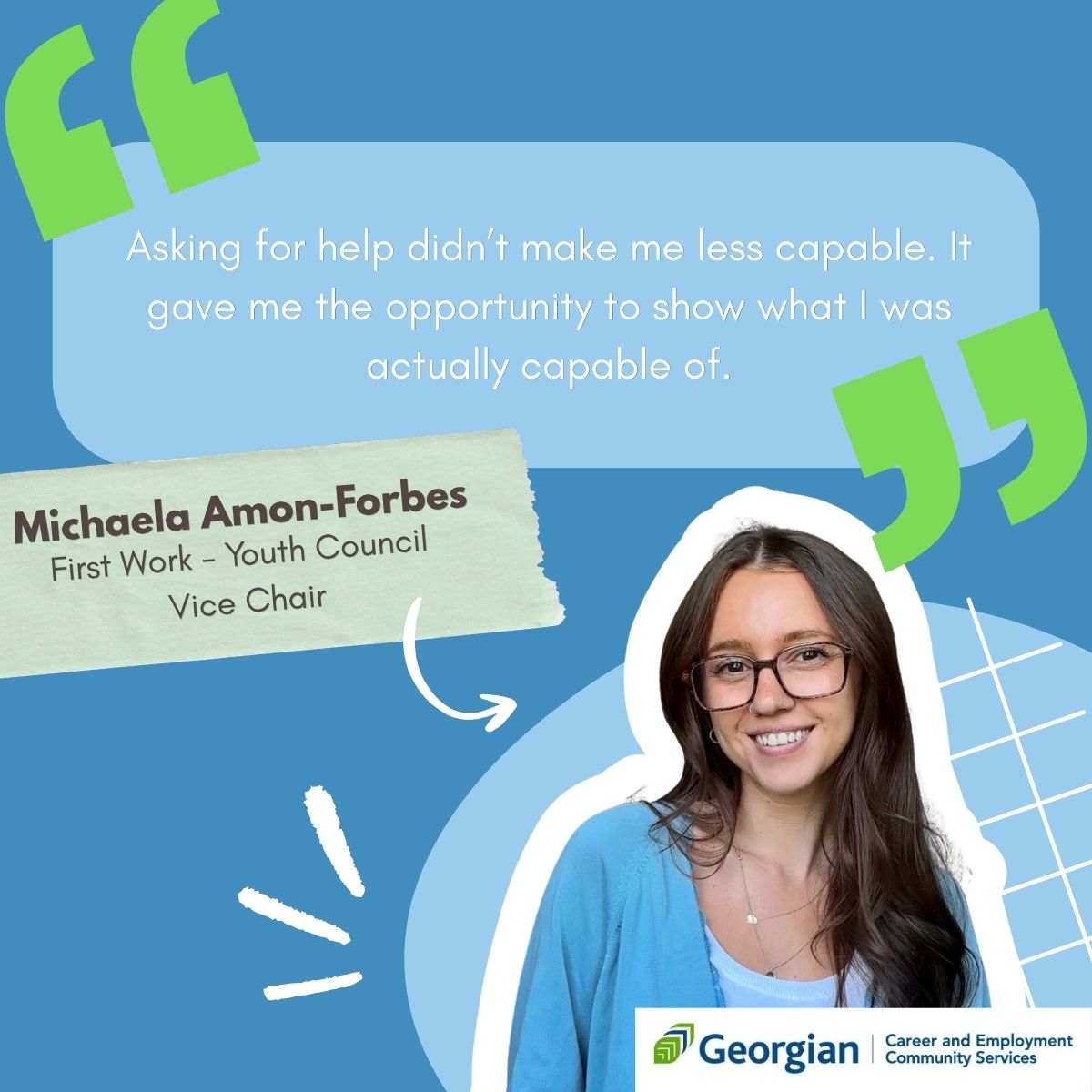
Asking for help didn’t make me less capable. It gave me the opportunity to show what I was actually capable of.
That realization changed how I looked at support. I used to think that needing accommodations or asking questions meant I wasn’t keeping up. Now, I see that the right support can make it possible to meet expectations and do your best work.
The Pressure to Keep Up
Starting a career in Ontario already comes with a lot of uncertainty for young people. You’re learning how workplaces operate while trying to build confidence, gain experience, and figure out what kind of worker you want to be.
For neurodivergent youth, that transition can bring additional questions. You may be trying to understand what support is available to you, whether you’re comfortable asking for accommodations, or how much of your experience you should share with an employer. You might also wonder, “When should I ask a question?” or “How do I tell someone I’m overwhelmed?”
Those decisions can feel especially difficult when you’re still trying to establish yourself professionally. You can spend a lot of energy thinking about things other people may not even realize are on your mind.
My experience has taught me that these conversations shouldn’t have to wait until someone is already struggling. Workplaces can make the transition easier by creating an environment where young people feel comfortable asking questions, communicating what they need, and speaking up when something isn’t working.
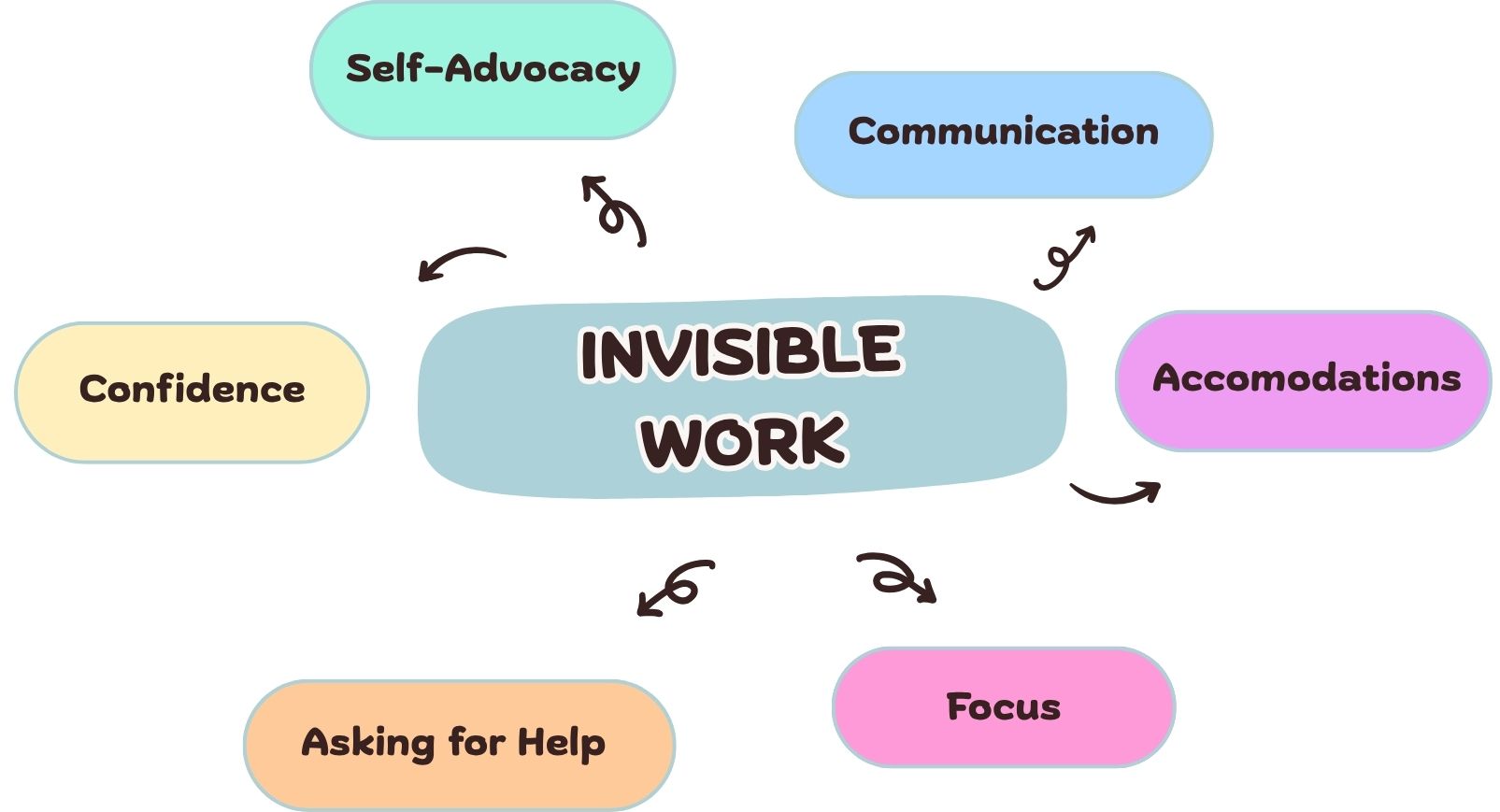
That is part of the invisible work of starting a career.
What Support Has Taught Me
Support does not always have to be complicated. It can mean having a manager who is willing to listen, communicating expectations clearly, offering flexibility when appropriate, or simply creating an environment where young employees feel comfortable saying, “I need some help with this.”
It can also mean learning which supports work best for you and your needs.
Everyone’s experiences are different. What helps one person may not help someone else, and that is okay. The important part is having the space to figure it out without feeling like you must hide the things you need to prove that you belong.
For employers and workforce development professionals, creating that kind of environment can make a real difference. Young people should not have to reach a breaking point before they feel comfortable asking for support.
What I Know Now
Looking back at where I was last year compared to where I am now, I don’t think the biggest change is that I’ve suddenly become better at working. I think I’ve become better at understanding myself.
I know what helps me focus. I know when to ask for support. I’m more comfortable advocating for myself. Most importantly, I no longer see needing support as something I should be embarrassed about.
Starting a career can already feel overwhelming. Neurodivergent youth shouldn’t also feel like they must hide parts of themselves to prove that they belong in the workplace.
My ADHD hasn’t disappeared. What has changed is my understanding of how I work and what I need to be successful.
Everyone’s needs are different, and part of the process is figuring out which supports work best for you and your needs. Sometimes, the right support isn’t about giving someone an advantage. It’s about giving them the opportunity to show what they’re capable of. And I think that’s something every young person entering the workforce deserves.